
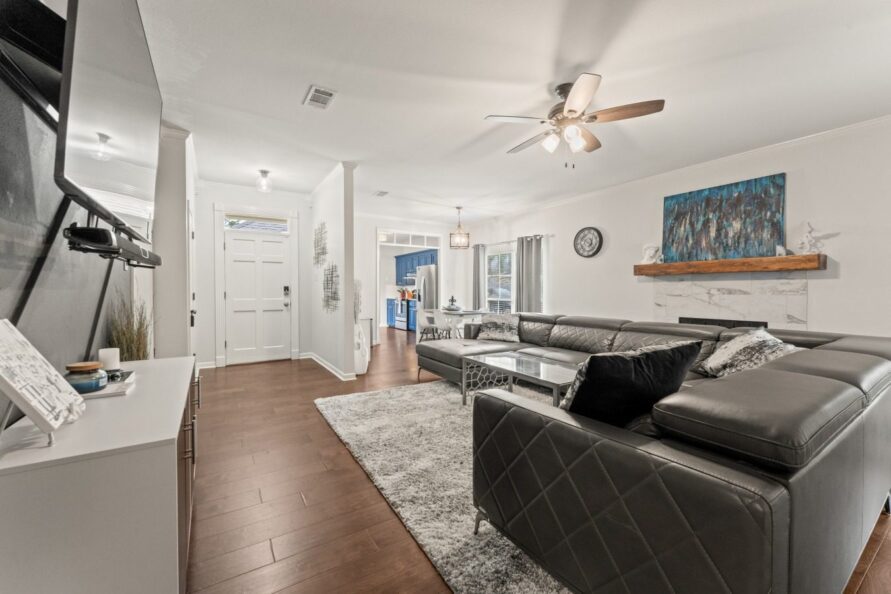
Owning a furnished rental in San Diego can look simple: publish a listing, welcome a guest, and reset the home. In practice, the owner experience depends on the systems behind every stay. Short Term Rental Management San Diego should connect listing quality, reliable turnovers, responsive guest support, property care, and clear owner reporting.
What full-service management should cover
A capable partner should explain who owns each responsibility before the first reservation: listing updates, calendar and rate decisions, guest screening within platform rules, check-in instructions, after-hours questions, cleaning, restocking, maintenance escalation, and post-stay review of the home.
Ask how the manager keeps information current. The photos, amenities, sleeping arrangements, location details, and house rules should match the home guests actually receive. Airbnb’s official ground rules for home hosts identify listing accuracy, honoring reservations and refunds, timely communication, and cleanliness as core expectations. Those are useful baseline questions for any channel, not just Airbnb.
The owner side matters just as much. Here2HostYou describes its approach as “Elevated Stays, Thoughtfully Managed,” with management from listings through guest support, long-term and insurance stays, and owner partnerships built around transparent reporting and strategic guidance (company homepage). Ask to see a sample owner statement and how income, platform charges, cleaning, supplies, repairs, and management fees will appear. A defined workflow is more useful than a vague promise of “hands-off” ownership.
A practical operating checklist
Before a reservation:
- Confirm the listing reflects the current home, including parking, access, sleeping capacity, outdoor features, and any limitations.
- Review the calendar, stay rules, and pricing settings for the dates being sold.
- Prepare a concise arrival guide with directions, access steps, Wi-Fi information, and emergency instructions.
Between stays:
- Inspect every room rather than relying only on a cleaner’s completion message.
- Reset linens, towels, consumables, appliances, locks, lighting, and climate controls.
- Photograph or log damage, missing items, and maintenance issues before the next check-in.
After checkout:
- Close the loop on refunds, guest questions, and platform messages.
- Record recurring issues so the property improves over time.
- Send the owner a report covering reservations, completed stays, expenses, maintenance, and open decisions.
Guest experience is an owner issue
Guests experience the management system through small moments: accurate expectations, a working entry code, a clean kitchen, and a prompt response when an amenity fails. Airbnb says listings should be clean and free of health hazards before check-in, and that hosts or co-hosts should be available for questions and unexpected issues (Airbnb host ground rules). A partner’s process should show how those standards become daily actions.
Ask for examples, not slogans. Who answers a message at night? How is a cleaner replaced if a turnover falls through? When does a repair require owner approval? How are neighbors’ concerns documented? How does the team respond when a guest reports a problem that cannot be fixed immediately? Clear answers reveal operational maturity better than a promise of maximum income.
San Diego compliance: verify the property, not a template
Rules depend on the property’s location and use. If the home is within the City of San Diego, the City Treasurer says a license is required for short-term residential occupancy of a dwelling unit, or part of one, for less than a month; an active Transient Occupancy Tax certificate is among STRO application requirements (official STRO page). The City separately says properties rented to transients for less than one month need a Transient Occupancy Registration Certificate (official TOT page).
Treat this as a verification step, not legal or tax advice. Ask a prospective manager which agency pages they use, who tracks renewals and postings, and how they handle a change in property use. Rules can vary outside City limits and can change, so confirm the current requirements directly with the relevant authority and your advisers.
Questions to ask before choosing a local partner
- What exactly is included, and what is billed separately?
- Who is the local point person for turnovers, maintenance, and urgent guest issues?
- What does the monthly owner report show, and when do I receive it?
- How do you protect listing accuracy across booking channels?
- Can I review the agreement’s term, cancellation process, approvals, and repair limits?
- How do you support longer or insurance-related stays when a home is not operating as a typical vacation rental?
The right fit is not necessarily the loudest operator. It is the partner whose process you can inspect, whose communication you can understand, and whose care for the home matches your ownership goals.
To learn how Here2HostYou approaches thoughtfully managed stays and owner partnerships, visit the company website.